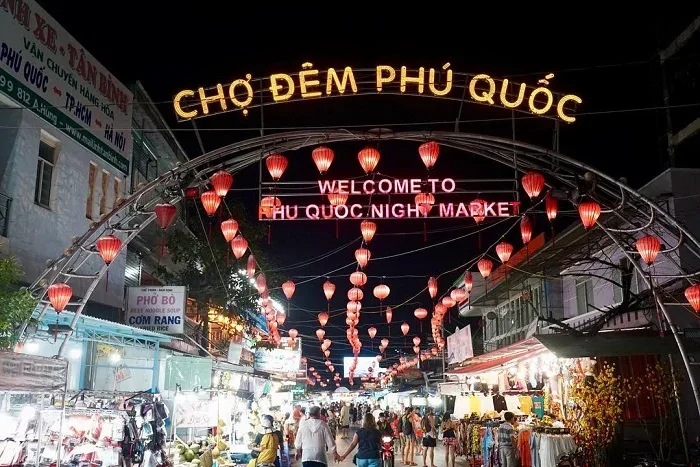
Phu Quoc food is easiest to enjoy when you know what you are ordering, not when you try to complete a rigid list. The island's best-known dishes combine seafood, rice noodles, coconut, herbs, pepper and fish sauce, but recipes vary between cooks and some flavours are more adventurous than others.
This guide helps you choose what to eat in Phu Quoc by taste, texture and comfort level. It also explains where to look and what to confirm before a vendor starts cooking. Prices, menus and businesses change, so use the recommendations as a framework rather than a permanent restaurant ranking.
Phu Quoc food at a glance
Bun ken
Rice noodles with a fragrant coconut-and-fish sauce, herbs and fresh toppings
Bun quay
Fresh noodles with seafood or fish-cake components and a dipping sauce you often mix yourself
Goi ca trich
Raw herring with coconut, herbs and rice paper; best for travellers comfortable with raw fish
Grilled seafood
Fish, squid, prawns, shellfish or crab chosen from the display and cooked to order
Com tam, pho or banh mi
Familiar Vietnamese staples widely available around Duong Dong and Long Beach
Phu Quoc pepper or sealed fish sauce
Check airline and customs rules before packing liquids or food products
Bun quay: noodles with a hands-on dipping sauce
Bun quay is one of the dishes most closely associated with a food trip in Phu Quoc. A bowl usually combines fresh rice noodles with fish cake, shrimp cake, squid or other seafood, although the exact mix depends on the shop. The broth is often light enough for the seafood and dipping sauce to carry much of the flavour.
The memorable part is the sauce station. Diners commonly mix salt, sugar, chilli and calamansi or kumquat juice to their taste. Start with less chilli and adjust slowly. If you do not eat shellfish, ask what is in the fish and shrimp pastes as well as the visible toppings; removing one prawn does not make a mixed seafood bowl shellfish-free.
Bun quay works well for lunch or an informal dinner. It can be busy and fast-moving, so decide your protein and spice level before you reach the counter.
Bun ken: coconut, fish and herbs
Bun ken is a more aromatic noodle dish associated with Phu Quoc and the wider Kien Giang region. It normally pairs thin rice noodles with a sauce or broth made from fish, coconut milk and spices, then adds herbs, cucumber, bean sprouts or other crisp vegetables.
The combination is creamy, savoury and gently sweet rather than similar to a clear pho broth. It is a good choice for travellers who want a local speciality but prefer cooked fish to raw seafood. Recipes differ, and the sauce may contain chilli, fish sauce and other seasonings, so ask before ordering if you have allergies or need a mild bowl.
Small daytime eateries are often the natural setting for bun ken. Go earlier rather than assuming every noodle stall serves the dish all day.
Goi ca trich: Phu Quoc herring salad
Goi ca trich is often translated as raw herring salad. Thin fish slices are combined with coconut, herbs, onion and a dressing, then eaten with rice paper and vegetables. The result is fresh, herbal and textured, with more assembly at the table than a standard plated salad.
This is not the right choice for everyone. It contains raw fish, and the dressing or dipping sauce may include fish sauce, peanuts, chilli or other allergens. Choose a busy, clean-looking place with proper cold storage and ask how the fish is prepared. Pregnant travellers, people with weakened immunity and anyone advised to avoid raw seafood should select a fully cooked dish instead.
Trying an island speciality should never feel compulsory. Bun ken or grilled fish can deliver local flavour without raw seafood.
How to order grilled seafood without surprises
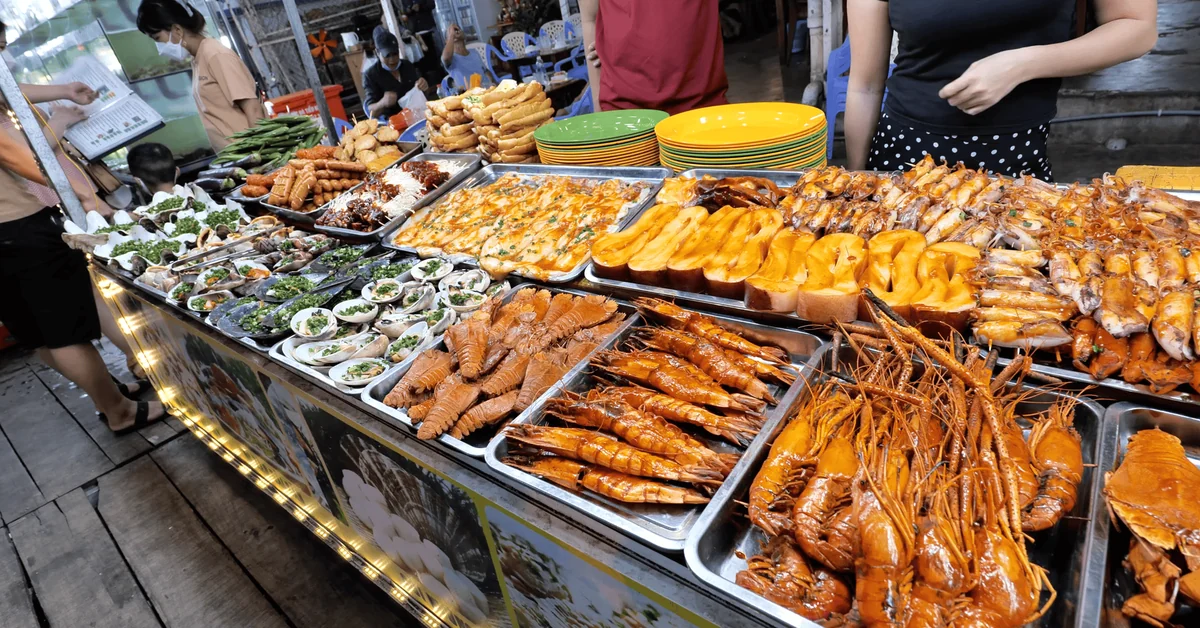
Seafood displays are a major part of eating in Phu Quoc, particularly around the Night Market and waterfront areas. You may see whole fish, squid, prawns, scallops, oysters, snails and crab. Availability and quality change by day, weather and season.
Before the food is cooked, confirm four points: the item, the weight or portion, the price basis and the cooking method. A board may quote a price per 100 grams, per plate or per kilogram. Ask for the seafood to be weighed in front of you and confirm the estimated total, including sauces or preparation charges, before agreeing.
Choose food that is stored appropriately and cooked thoroughly. A busy stall can be a useful signal of turnover, but it is not a guarantee. If a display looks poorly chilled, has an unpleasant smell or the pricing remains unclear, move on.
For market layout and current practical cautions, use the Phu Quoc Night Market guide.
Other flavours worth knowing
Phu Quoc pepper
Pepper farms are part of the island's agricultural identity. Local pepper can appear in dipping salts, marinades and seafood dishes, and sealed packets are a practical souvenir. Taste before buying when possible and check the label, seal and baggage rules.
Fish sauce
Phu Quoc is famous for fish sauce, which adds salt and depth to many Vietnamese dishes. It may be present in dressings and dipping sauces even when a dish does not taste strongly of fish. Vegetarians and people with fish allergies should ask specifically rather than assuming a vegetable dish is fish-free.
Flights and customs rules can restrict strong-smelling liquids. Do not place a bottle in your luggage until you have checked the airline and destination requirements.
Sim products
Rose myrtle, locally called sim, is used in sweet syrups, candies and alcoholic drinks. These products are easy to sample in small quantities, but check the alcohol content and packaging before buying. A branded tasting stop is optional; you do not need to build the day around it.
Everyday Vietnamese options
Pho, com tam, banh mi, banh xeo and rice plates are useful between seafood meals or for travellers who want familiar flavours. They are not uniquely Phu Quoc, but a simple local breakfast or lunch can be more satisfying than chasing every speciality in one evening.
Where to look for food in Phu Quoc
Duong Dong
Duong Dong offers the broadest mix of daytime noodle shops, markets, cafes and evening seafood. It is the easiest area for a self-guided food plan because stops are relatively close together. Read the Duong Dong guide before deciding where to start.
Phu Quoc Night Market
The Night Market is convenient for browsing seafood, snacks and souvenirs in one place. It is also busy and visitor-focused. Walk through once before ordering, compare clear prices and avoid treating the loudest stall as automatically the best choice.
Long Beach
Long Beach combines local eateries, international restaurants and sunset venues over a long coastal corridor. It suits groups with mixed preferences, but distances between sections are larger than the name suggests. Use the Long Beach guide to understand the area.
Local daytime eateries
Some of the most distinctive noodle dishes make more sense at breakfast or lunch than during a market evening. Ask your accommodation where nearby residents eat and verify the location and current hours on the day. A short menu and steady local turnover can be more useful than an old online ranking.
Practical ordering and food-safety tips
- Tell the server about allergies before ordering, then ask about sauces, broths and pastes as well as visible ingredients.
- Learn or save a translated note for shellfish, peanuts, fish, gluten or other serious allergens.
- Confirm whether seafood pricing is per item, portion, 100 grams or kilogram.
- Ask for raw or lightly cooked seafood to be fully cooked if that is your preference.
- Choose bottled or safely treated water and use your judgment with ice and uncooked garnishes.
- Wash or sanitize your hands before eating food assembled at the table.
- Do not order more seafood than your group can comfortably finish; several small dishes create a better tasting plan.
A simple self-guided food evening
Start in central Duong Dong with one noodle dish to share, then walk through the Night Market before choosing seafood. Confirm the total before cooking and add one small dessert or sim product only if the group still wants it. This sequence gives you contrast without turning dinner into a race.
Keep the plan flexible. Rain, queues and appetite matter more than completing every stop. If your group includes children, vegetarians or cautious eaters, choose one place with several cooked options rather than moving constantly.
After dinner, continue with a relaxed walk or compare ideas in the Phu Quoc nightlife guide. Avoid scheduling a long transfer immediately after a heavy meal.
FAQ
What food is Phu Quoc famous for?
Phu Quoc is known for seafood, bun quay, bun ken, raw herring salad, pepper and fish sauce. Recipes and availability vary, so choose dishes that fit your taste and dietary needs.
Is Phu Quoc Night Market good for food?
The Night Market is convenient for comparing seafood and snacks in one walk. Check the price basis and estimated total before cooking, and use the same hygiene judgment you would elsewhere.
What is bun quay?
Bun quay is a fresh rice-noodle dish commonly served with seafood or fish-cake components and a dipping sauce that diners often mix themselves.
Can vegetarians eat easily in Phu Quoc?
Vegetarian dishes are available, but fish sauce and seafood-based broths can appear in sauces or otherwise vegetable-looking meals. Ask specifically for no fish sauce, meat stock or seafood.
Is raw herring salad safe for everyone?
No raw seafood is suitable for everyone. Choose a reputable, clean-looking place, and avoid it if you are pregnant, immunocompromised or have been advised not to eat raw fish.
Need help fitting local food, tours and evening plans into the same route? Contact Phu Quoc Insider with your hotel area, dates and group preferences.