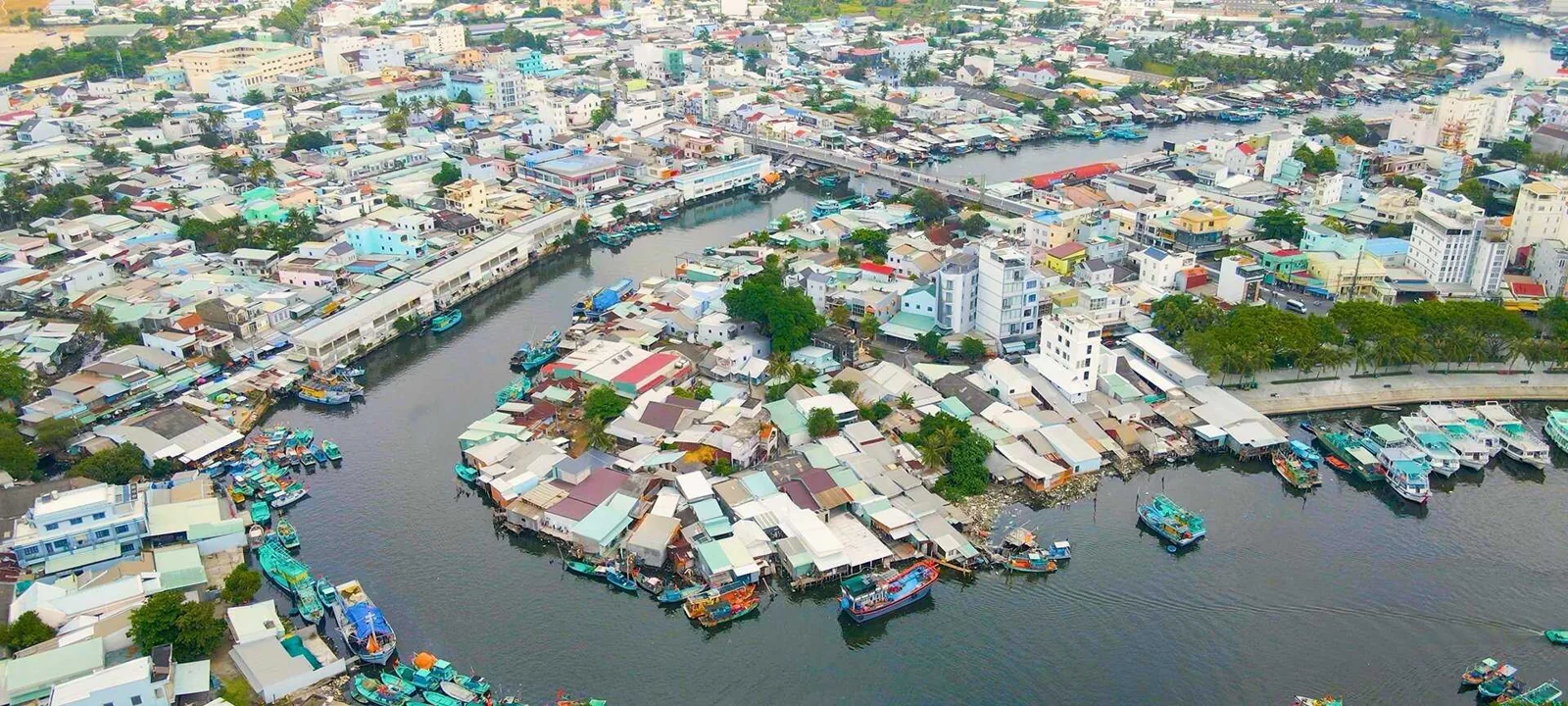
Phu Quoc can work on a modest budget, but the island is not uniformly cheap. Accommodation area, long transfers, theme parks, private boats and imported food change the total much more than small savings on coffee. Build the trip around a few priority experiences and group each day geographically.
Prices change by season and provider. Treat published figures as references, ask for the full current price and keep a contingency amount rather than planning to the last dong.
Start with three budget bands
A low-cost trip combines a simple room, local meals, shared or self-directed transport and mostly free beaches. A comfortable trip adds a better-located hotel, ride-hailing or transfers and selected paid activities. A high-spend day usually includes a major attraction, private boat, resort meal or long private transfer.
Choose one band for ordinary days and separate the major-ticket days. This prevents one attraction from distorting the budget for the whole stay.
Accommodation is the biggest lever
Duong Dong can reduce transport costs because food, the Night Market and everyday services are nearby. Long Beach offers many choices, but prices vary sharply by beach access and resort level. Staying far north or south can make sense when most activities are there; it becomes expensive when you cross the island repeatedly.
Compare the final total, including breakfast, taxes, airport transfer and cancellation terms, not only the headline room rate. Our where to stay guide explains the trade-offs between areas.
Eat locally without choosing blindly
Local rice, noodle and seafood restaurants can be good value. Check menus before ordering seafood by weight, ask whether preparation fees apply and confirm prices when they are not displayed. The Night Market is convenient, but convenience is not a guarantee of the lowest price.
Use the Phu Quoc food guide to identify dishes and the Night Market guide to plan the visit.
Choose transport by total cost and risk
A scooter can be economical for an experienced, legally compliant rider, but rental price is not the full calculation. Add fuel, deposit terms, helmet quality, licence and insurance requirements. If you are not confident, combine walking, scheduled transfers and ride-hailing.
Group nearby places so one transport choice covers the day. A cheap room can become expensive if it requires two long transfers every day.
Build free and lower-cost days
Public beach time, Dinh Cau, Ho Quoc Pagoda and self-guided town walks can balance expensive days, subject to access and local rules. Add one paid highlight instead of stacking several ticketed attractions. Keep a weather buffer so a cancelled boat day does not force an expensive last-minute replacement.
A simple three-day allocation
Day one: settle in near your base, walk locally and eat nearby. Day two: use one transport mode for a north or south cluster. Day three: choose one paid priority, then add a beach or town stop. Our day trips guide helps group destinations by area.
Keep a separate contingency amount for weather, medical needs or a changed transfer. Saving money should never depend on unsafe transport or ignoring official conditions.

South-East Phu Quoc Tour
Sao Beach, Ho Quoc Pagoda and local stops in one day by road, without renting a scooter. One of our lowest-priced full days out.
- From 690,000đ per adult
- About 6.5 hours
Also worth a look: Night Squid Fishing Tour, from 330,000đ.
FAQ
Is Phu Quoc cheap?
It can be affordable with local food and simple accommodation, but long transfers and major attractions raise costs quickly.
Where should budget travellers stay?
Duong Dong is practical for food and services. The best area still depends on the activities you prioritise.
Is a scooter always the cheapest transport?
No. Safety, licence, insurance and experience can make another option better value.
How much cash should I carry?
Carry enough Vietnamese dong for small businesses and transport, but avoid carrying the whole trip budget at once.