
The best time to visit Phu Quoc is usually from November to March, when the island is in its dry season and beach days, boat trips and sunset plans are often easier to organize.
That is the simple answer, but Phu Quoc weather by month matters if you care about prices, crowds, snorkeling visibility or island tours. The Phu Quoc rainy season is not always a full-day washout, but it can affect sea clarity, currents and boat routes.
Many weather guides stop at dry season versus rainy season. For a real trip, the more useful question is what the weather means for your actual plans: beach time, boat days, family comfort, south-island routes and whether you should keep a backup day before booking a weather-sensitive tour.
Quick answer
- Best overall months: November to March.
- Best beach and boat conditions: often December to March.
- Hottest transition months: April and May.
- Rainy season: usually June to October.
- Best value months: May, June, September and October can work for flexible travellers.
- Most important rule: check current sea conditions before snorkeling or island tours.
How Phu Quoc weather works
Phu Quoc has a tropical island climate, so the calendar gives you a useful pattern but not a guarantee. Dry season usually brings easier beach days, clearer skies and calmer planning. Rainy season usually brings more showers, heavier humidity and less predictable sea conditions.
The transition months matter too. April and May can still have good beach days, but heat and humidity rise. October and November can move toward better conditions, but the timing changes by year. Treat forecasts as guidance, then check locally before locking in boat or snorkeling plans.
Best months to visit Phu Quoc
If you want the easiest weather window, aim for November to March. December to March is often the strongest period for beach time and boat tours, but it is also the busiest and usually more expensive.
If you want fewer crowds or better value, consider the shoulder periods around May, June, September or October. These months can work well for flexible travellers, but they are not the best choice if one perfect snorkeling or island-hopping day is the whole point of the trip.
Dry season: November to March
November to March is the easiest period for most first-time visitors. Skies are often clearer, humidity feels more manageable and the west coast around Long Beach, Duong Dong and Ong Lang is usually more comfortable for beach time and sunset.
This is also the high season. International visitors, Russian holidaymakers and domestic Vietnamese travellers can make the island feel much busier in the key months. Prices usually rise, popular beach areas can feel crowded and south-island beaches may be busier than their photos suggest.
Local planning tip: if you want the safest weather window, book dry season. If you want quiet beaches and low prices, do not expect peak dry-season dates to feel empty.
April and May: heat, humidity and transition
April and May can be good for travellers who want better deals and can tolerate heat. These months often sit between the peak dry season and the full rainy season, so the island may still have good sea days, but the weather can feel very hot and humid before the rains become more regular.
This is not the most comfortable period for everyone. Midday sightseeing can feel heavy, shade matters more and families with young children may prefer easier pacing.
Rainy season: June to October
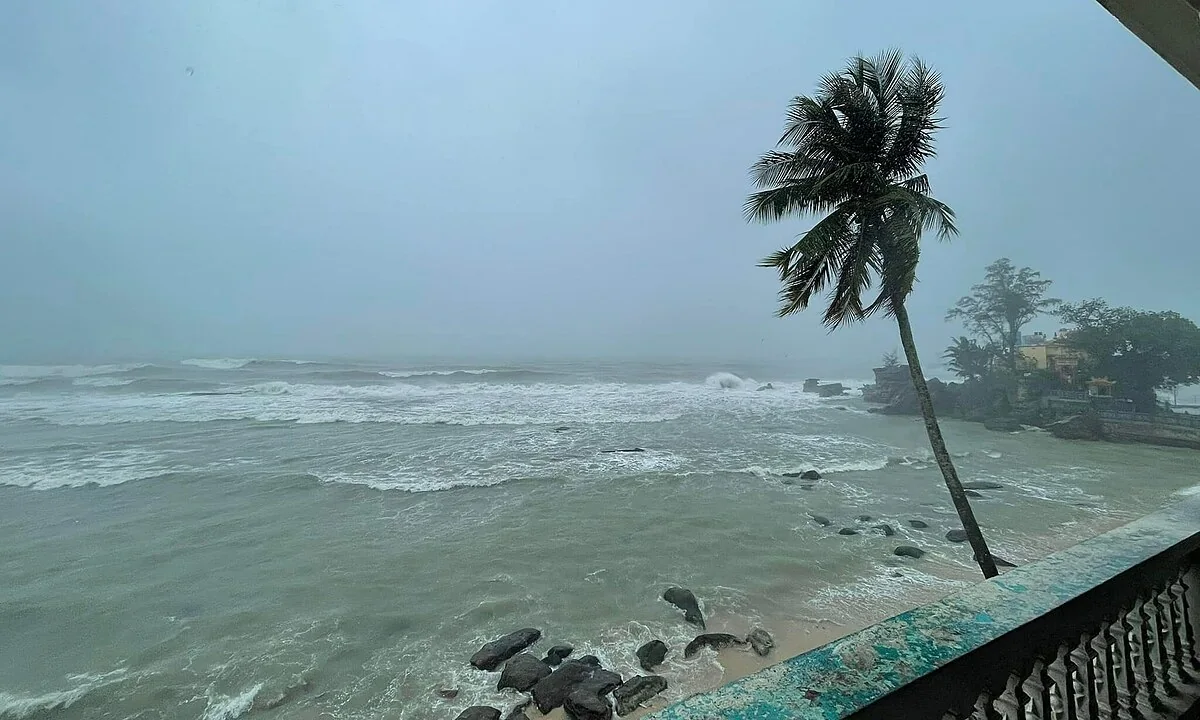
The Phu Quoc rainy season is usually from June to October, but it is not always full-day rain. Many days bring a strong tropical downpour for one or two hours, often in the afternoon, followed by brighter breaks or mixed skies.
The real issue is not only rain on your skin. The bigger problems are sea visibility, currents and wind. Snorkeling can be less clear, and boat routes around An Thoi can be changed, delayed or cancelled if conditions are not safe.
Phu Quoc weather by month
January and February are usually among the easiest months for beach holidays, with dry-season conditions, high demand and strong beach potential. March often remains good, with warmer days and busy beaches.
April and May are transition months. Expect heat, humidity and a growing chance of storms or unsettled sea conditions as the season turns. These months can still be useful if you prefer value and flexibility over perfect conditions.
June, July and August are rainy-season months. The island can still have bright periods, but sea-based plans need more caution. September and October can be wetter and less predictable, though they may offer better prices and quieter travel.
November often marks the return toward more settled dry-season conditions, while December is usually one of the most popular months because weather, holidays and beach demand all come together.
Best time by travel style
For beaches and sunset, December to March is usually the easiest window. For snorkeling and island hopping, focus less on the calendar and more on current sea conditions. Dry season is generally better, but visibility, wind and currents still matter on the day.
For lower prices, look at the shoulder periods. May, June, September and October can work if you are comfortable with heat or rain risk. For families, dry season is usually simpler because transport, beach time and backup plans feel easier.
Weather and tour planning
Sea-based tours are the most weather-sensitive part of a Phu Quoc trip. Snorkeling, island hopping and south-island routes can depend on wind, current, visibility and boat safety around An Thoi.
If a tour operator adjusts the route, it may be because the sea is not suitable for the original plan. That can be frustrating, but it is better than forcing a poor or unsafe day on the water.

What to do if the weather is mixed
If rain is forecast, avoid building the whole trip around one fixed boat day. Keep one flexible day in the schedule, ask about sea conditions before confirming, and use land-based options when the sea is not ideal.
Grand World, the night market, local food stops, shorter beach visits, temples and town time can all work as backup ideas. Mixed weather does not ruin a Phu Quoc trip, but it does reward travellers who plan with a little room to adjust.
FAQ
What is the best month to visit Phu Quoc?
January, February and March are usually among the easiest months for Phu Quoc weather, with dry-season conditions and good beach potential. They are also busy, so book early.
Is rainy season bad in Phu Quoc?
Not always. Rainy season often brings intense showers rather than constant rain all day, but sea visibility, currents and boat schedules can be affected.
Is Phu Quoc good in November?
November can be a good transition into dry season, but conditions vary by year. It is usually more promising than the peak rainy months, while still worth checking current forecasts.
When is Phu Quoc best for snorkeling?
Dry-season months are usually better for snorkeling, but the day-to-day sea condition is more important than the month alone. Ask about visibility and wind before booking.
What should I do if rain is forecast?
Keep one flexible day, check sea conditions before boat trips and have land-based options ready. A forecast with rain does not always mean the whole day is lost.
When is Phu Quoc cheapest?
Prices are often lower outside the main dry-season peak. Shoulder and rainy-season months can offer better value, especially if you keep plans flexible.